
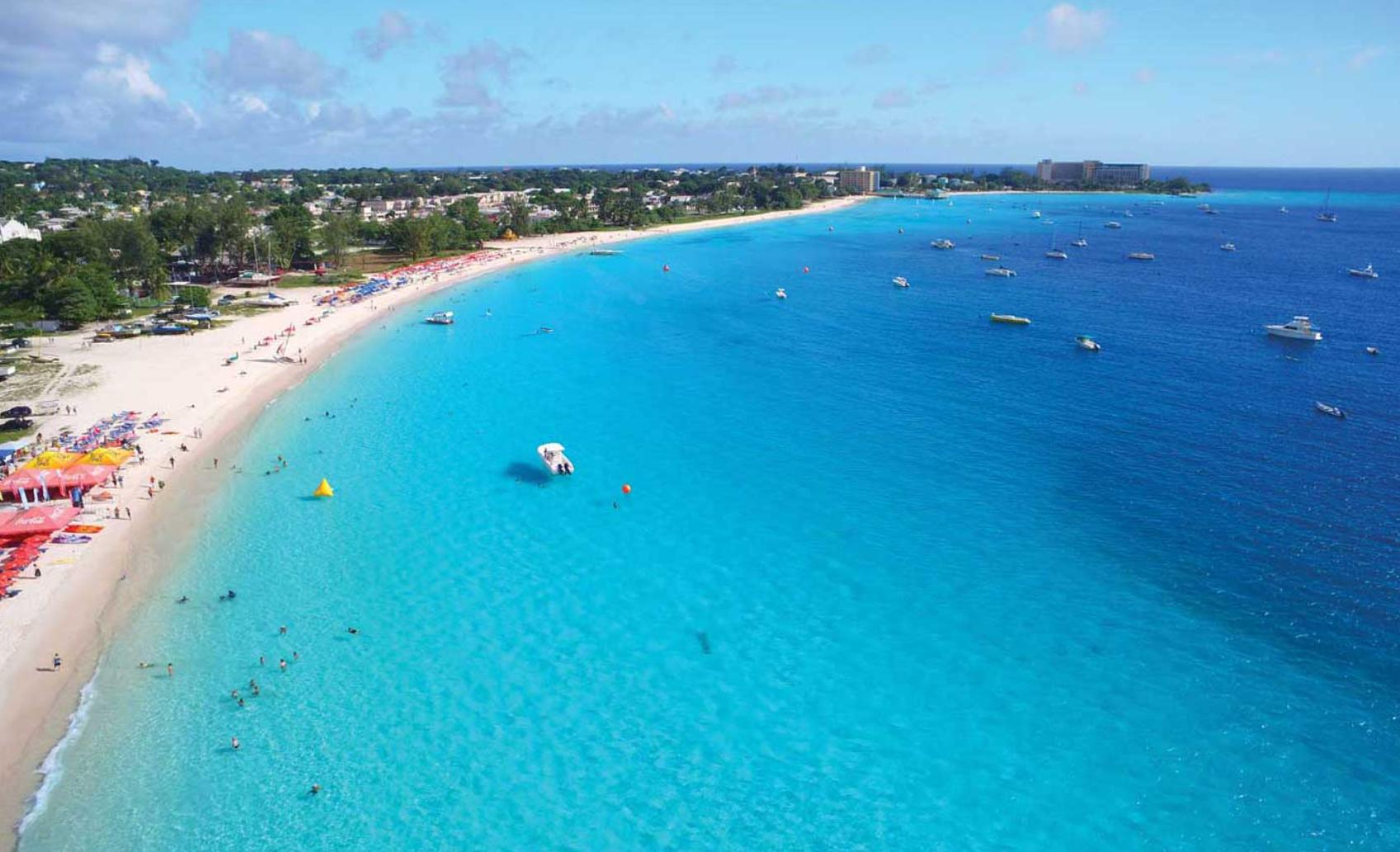
Barbados Climate: A Year-Round Destination With Distinct Seasons
Barbados sits at the southern edge of the Caribbean hurricane belt, giving it a southern position relative to most hurricane tracks. The island experiences warm temperatures throughout the year, with daytime highs from 29°C84°F in winter to 31°C88°F in summer and overnight lows between 22°C72°F and 24°C75°F, but rainfall and tourist crowds vary significantly by season. Unlike many Caribbean destinations that shut down during hurricane season, Barbados remains active and accessible year-round, though travelers should understand the trade-offs between dry-season reliability and wet-season value.
The island's weather divides cleanly into two patterns: a dry season from December through May, when rainfall is minimal and conditions are most predictable, and a wetter season from June through November, when rainfall increases substantially and hurricane risk rises (though direct hits remain rare). Understanding these patterns helps travelers choose the experience that matches their priorities and budget.
The Dry Season: December Through May
December: Start of the Dry Season
December signals the return of drier conditions after the wet season, with average rainfall dropping to around 97 mm3.8 in. Average temperatures settle around 26°C79°F, with highs of 29°C84°F. Holiday visitors drive up accommodation prices, especially around Christmas and New Year.
January, February, and March: Peak Conditions, Peak Prices
These months represent Barbados at its most reliably sunny. January and February offer virtually identical conditions: average temperatures around 26°C79°F, with daily highs near 29°C84°F and lows around 23°C73°F. Rainfall is minimal, with January averaging around 66 mm2.6 in and February around 42 mm1.7 in or less.
March stays dry with an average of only 33 mm1.3 in of rain but sees steady trade winds averaging 26 km/h16 mph, consistent with the 28 km/h17 mph of the preceding winter months.
These months coincide with Northern Hemisphere winter, driving peak tourist season. Hotel rates are at their highest, beaches are crowded, and restaurants operate at full capacity. This is ideal for travelers seeking reliable sunshine and willing to pay premium prices.
March's stronger winds appeal to kitesurfers and windsurfers, though they can make casual water activities slightly choppier.
April and May: Shoulder Season Value
April and May mark the transition toward the wet season but remain mostly dry and substantially less crowded. April averages around 36 mm1.4 in of rain, while May sees an increase to around 58 mm2.3 in, yet both remain far drier than June through November. Prices drop noticeably, crowds thin, and the weather remains warm and mostly sunny.
These months suit budget-conscious travelers and those seeking a balance between good weather and reasonable accommodation costs.
The Wet Season: June Through November
June and July: Early Wet Season
June marks the start of the wet season with average rainfall rising to around 112 mm4.4 in, a notable jump from May. July is wetter still at around 147 mm5.8 in. Average temperatures hold around 27°C81°F, with daily highs of 31°C88°F. The Crop Over Festival runs through these months, making them a rewarding time for culture-focused visitors despite the increased rainfall.
August Through November: Higher Rainfall, Hurricane Awareness
The second half of the year brings warmer temperatures and significantly higher rainfall. August averages around 27°C81°F with around 148 mm5.8 in of rain. September and October are typically the wettest months, but November actually sees the highest average rainfall: September averages around 170 mm6.7 in, October around 178 mm7.0 in, and November peaks at around 206 mm8.1 in, well above the dry-season average.
Temperatures are typically warmest at this time, with September and October highs reaching 30-31°C86-88°F.
This is hurricane season in the Atlantic and Caribbean, running officially from June 1 through November 30. However, Barbados' southern location places it outside the typical hurricane belt. Direct hurricane hits are rare; the island experiences occasional tropical storms and increased rainfall but faces far lower wind and structural risk than islands to the north.
In most years, Barbados sees no hurricane-force winds at all during this period.
Wet Season Advantages: Low Prices, Fewer Crowds, Lively Culture
The trade-off for higher rainfall is substantial: accommodation prices drop significantly, beaches and attractions are far less crowded, and restaurants offer better availability and personalized service. The Crop Over Festival, a major cultural celebration, peaks in July and August with parades, music, and street parties. Travelers interested in authentic Caribbean culture and willing to work around rainfall find tremendous value and energy during these months.
The rain typically falls in short, intense bursts rather than all-day downpours, leaving plenty of sunshine between showers.
Month-by-Month Breakdown: Planning by Activity
Best for Beach and Water Activities
January through March offer the most reliable water conditions. Steady trade winds averaging 26-35 km/h16-22 mph keep conditions comfortable. Visibility is excellent for snorkeling and diving.
The only caveat: March's stronger winds may deter casual swimmers, though they attract wind and kite sports enthusiasts. April and May continue this pattern with less crowd pressure. June through August warm the water and bring afternoon rain showers but remain swimmable.
September through November are very warm but see the heaviest rainfall and occasional rough seas.
Best for Hiking and Sightseeing
January through March are ideal for hiking the interior of the island, exploring plantations, and general sightseeing. Cool mornings, low humidity (averaging 72-74%), and low rainfall mean fewer slippery trails and clearer views. April and May remain good choices with lighter crowds.
The wet season (June-November) is workable but requires flexibility: plan indoor attractions on days with heavy rainfall, and hike early mornings before afternoon showers arrive.
Best for Budget Travelers
July through November offer the lowest accommodation and dining prices. Hurricane season reputation drives prices down even as the actual risk to Barbados remains minimal. September and October, despite heavy rainfall, reward flexible travelers with substantial savings and authentic local experiences.
Peak Season vs. Off-Season Trade-Offs
Peak season (December through March) delivers reliable sunshine, lower humidity (averaging 72-74%), steady trade winds, and minimal rain. It attracts visitors seeking dependable beach weather and is when the island's tourism infrastructure runs at full capacity. The cost is significantly higher accommodation rates, crowded beaches and restaurants, and a more commercialized experience.
Shoulder season (April, May, and November) balances moderate weather with lower crowds and prices. These months sit between peak and off-season, offering good value and reasonable conditions for most activities.
Off-season (June-October) brings higher rainfall, warmer temperatures, lower prices, and authentic cultural experiences. The risk of hurricane-force winds is minimal. This period suits travelers with flexible plans, cultural interests, and budget awareness.
Practical Travel Tips for Barbados
Pack layers regardless of season. Even during warmest months (June-September, with highs of 31°C88°F), air-conditioned restaurants, hotels, and attractions can feel cold. Bring a light sweater or long-sleeved shirt.
For dry-season travel (December-May), sunscreen and a hat are essential due to consistent sunshine and the island's tropical latitude. Reef-safe sunscreen protects both skin and the marine environment.
For wet-season travel (June-November), pack an umbrella or lightweight rain jacket for afternoon showers, but understand that rain typically doesn't derail plans. Plan water-based activities for mornings before afternoon showers arrive.
Barbados is outside the main hurricane belt but not immune to tropical systems. Monitor current conditions and tracking maps during hurricane season (June-November) if visiting during that period. The National Hurricane Center issues regular updates during the season.
Humidity levels remain fairly consistent year-round, averaging 72-75%, so the difference between seasons is primarily rainfall and crowd size rather than comfort level.
The Best Time to Visit Depends on Your Priorities
There is no single "best" time to visit Barbados because the answer depends entirely on what travelers value. Those prioritizing reliable sunshine, warm (not hot) temperatures, and full tourism infrastructure should visit January through March, understanding that prices and crowds reflect this popularity. Travelers seeking better value, fewer crowds, and cultural immersion should consider July through November, accepting that afternoon rainfall is common and that certain activities may require flexibility.
April, May, and November represent a practical middle ground: reasonable weather, moderate crowds, and fair pricing. Barbados' year-round warmth and the island's southern location outside the primary hurricane belt mean that any month can work for the right traveler with the right expectations.