
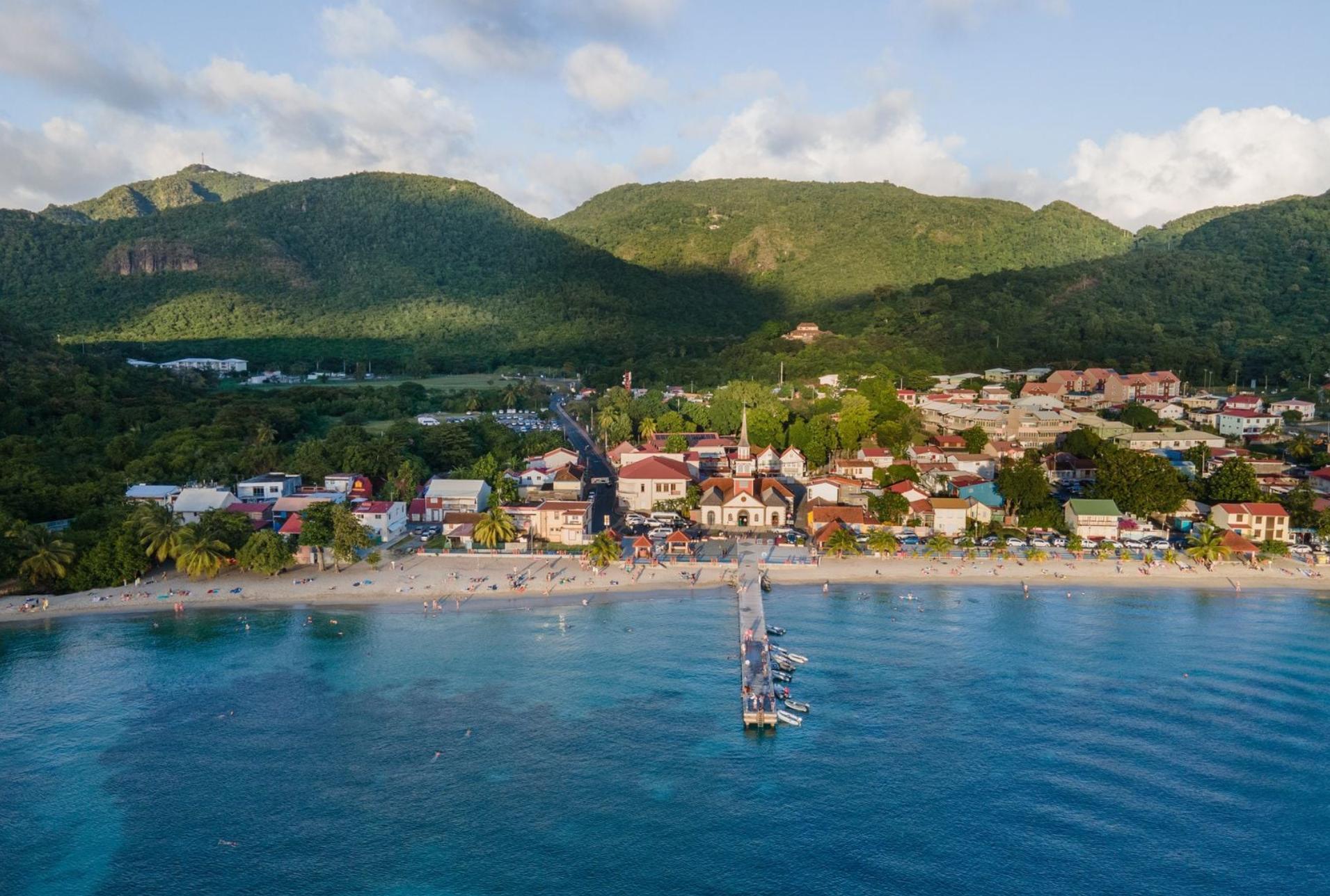
Martinique's Climate: Year-Round Warmth with Seasonal Trade-offs
Martinique sits in the tropical Atlantic, where warmth is consistent but rainfall and hurricane activity vary by season. Average temperatures remain consistent throughout the year, with daytime highs of 29-31°C84-88°F and overnight lows between 22°C72°F and 25°C77°F, which makes the island appealing in winter months when visitors seek escape from colder climates. However, the type of weather experience changes significantly depending on when travelers arrive.
The dry season delivers calm seas and reliable sunshine. The wet season brings afternoon downpours, rougher ocean conditions, and the possibility of tropical storms.
The Dry Season: December Through April
The dry season represents the optimal window for most travelers. This period stretches from December through April, with February and March typically offering the lowest rainfall and most stable conditions.
December and January: Peak Tourist Season
December and January are the busiest and most expensive months. Travelers fleeing Northern Hemisphere winter descend on Martinique, driving up hotel rates and filling restaurants. Temperatures average 26°C79°F with typical lows around 22-23°C72-73°F and highs near 29-30°C84-86°F.
Average rainfall totals 121-143 mm4.8-5.6 in across the two months, concentrated in brief afternoon showers. Trade winds average around 29 km/h18 mph, keeping humidity around 78-79%. The seas are calmer, making this period excellent for snorkeling, diving, and beach days.
December marks the beginning of the holiday tourism season, with festive energy building across the island. Accommodations book months in advance, and prices reflect this demand.
February and March: Ideal Weather, Lower Prices
February and March are the two driest months, each averaging around 78–81 mm3.1–3.2 in of rainfall. Humidity drops to around 73–75%. Temperatures remain comfortable at 26°C79°F average, with winds averaging 28–30 km/h17–19 mph.
Peak tourist season begins to ease in February, though accommodations remain in high demand. By March, prices ease further and crowds thin noticeably after the holiday rush. March highs reach around 30°C86°F, and conditions remain excellent for all outdoor activities.
April: Transition Month with Increasing Heat
Average temperatures and rainfall begin climbing as the transition to the wet season approaches. This month typically sees the start of afternoon thunderstorms becoming more frequent, though still manageable for travelers.
The Wet Season: May Through November
May through November brings increased rainfall and, from June onward, the Atlantic hurricane season. However, this period is not uniformly wet or dangerous. Understanding the nuances helps travelers avoid the worst conditions while potentially capitalizing on significantly lower rates and smaller crowds.
May and Early Summer: Moderate Conditions, Deep Discounts
Travel guides frequently cite May as an underrated shoulder month with manageable rainfall and excellent value. Average temperatures climb toward 29°C84°F, but the benefits are substantial discounts on accommodations and fewer tourists.
August and Early Fall: Warmer, Wetter, Lower Risk
August marks the official start of the more active hurricane season period. Temperatures average 29°C84°F, with highs climbing to 31°C88°F. Average rainfall totals around 243 mm9.6 in, substantial rainfall that reflects the heart of the wet season.
Humidity averages 77%, and winds ease to around 24 km/h15 mph. Direct hurricane impacts on Martinique are uncommon; the island sits south of the typical Cape Verde hurricane track and is protected by its mountainous terrain. August offers good value for budget-conscious travelers willing to accept warmer temperatures and occasional rain.
September and October: Peak Rainfall, Real Hurricane Risk
October is typically the wettest month at around 255 mm10.0 in, with September averaging around 216 mm8.5 in of rainfall, with average temperatures around 28°C82°F and humidity around 80%. Humidity can feel uncomfortable. September is the peak month for Atlantic hurricane activity, and while Martinique's latitude and terrain provide significant protection, the risk exists. Outdoor plans become unreliable; beaches experience rough seas.
Accommodations offer steep discounts, but the trade-off is substantial weather disruption.
November: Still Wet, Hurricane Risk Fading
November remains wet with average rainfall of around 248 mm9.8 in, and temperatures average around 27°C81°F. Humidity averages around 79%, but weather becomes increasingly stable.
Hurricane activity tapers off after October. This month offers good value and improving conditions, making it attractive for travelers prioritizing budget over perfect weather.
Activities by Season
Beach and Water Sports
December through April provides the calmest seas and best visibility for snorkeling, diving, and swimming. February and March are peak months for water activities. Wind surfers may prefer March, when trade winds average 28 km/h17 mph.
During the wet season, afternoon thunderstorms can make water conditions murky and unpredictable, particularly in September and October.
Hiking and Sightseeing
Hiking Mount Pelee or exploring the island's lush interior is best during dry season months when trails are not waterlogged and visibility is clear. February through April offers ideal conditions. The trade winds of March provide cooling relief at higher elevations.
Avoid September and October when trails become slick and clouds obscure mountain views.
Festivals and Cultural Events
Carnival dominates February and early March, with vibrant parades and street celebrations culminating before Ash Wednesday. May brings Fete Dieu celebrations. July features fishing festivals.
Those seeking authentic cultural experiences without the December crowds might target May or early June.
Hurricane Season: Context and Perspective
Hurricane season runs officially June through November, with August through October representing peak activity. However, Martinique's geography provides substantial protection. The island sits at approximately 14 degrees north latitude, south of the typical track of Cape Verde hurricanes that develop off West Africa.
The mountainous terrain forces storms to weaken rapidly. Direct major hurricane hits are rare; the last Category 3 or higher hurricane to strike Martinique was in 1979.
This context does not eliminate risk, which should always be monitored through current conditions and official forecasts. Travelers planning extended visits during August through October should maintain awareness and have contingency plans. Insurance and travel flexibility become more important during these months.
Peak Season vs. Off-Season Trade-offs
December through March is peak season: hotels cost significantly more, restaurants are crowded, and beaches busier. Weather is reliable. April through July offers moderate pricing and improving value.
May through July can be overlooked gems with acceptable weather and strong discounts. August through November presents the steepest discounts but with genuine weather uncertainties, particularly in September and October.
The best time to visit depends on individual priorities. Beach perfectionists should target February or March. Budget travelers willing to accept rain and heat should consider August or November.
Carnival enthusiasts must book February early. Those seeking both decent weather and value might target late April, May, or early June.
Practical Tips for Martinique Travel
Pack lightweight, breathable clothing year-round; temperatures rarely drop below 22°C72°F even at night. Sunscreen is essential due to tropical sun intensity. During dry season, waterproof protection is minimal; during wet season (May-November), carry a compact rain jacket or umbrella.
Book water activities during mornings when conditions are calmest. If visiting during hurricane season, confirm travel insurance covers weather-related cancellations.
Check tracking maps during the official hurricane season (June-November) for any active systems. The National Hurricane Center provides official forecasts, but Martinique's local meteorological service offers the most detailed regional guidance.